


Are you considering a road trip in Jordan and wondering if it's the right time to go? With questions about safety, proximity to Israel, and recent events involving the United States and Iran, it's completely reasonable to seek clear answers before booking.
In this article, we take a look at the current situation and explain why Jordan remains a unique destination in the Middle East, while providing you with an honest perspective on the context.
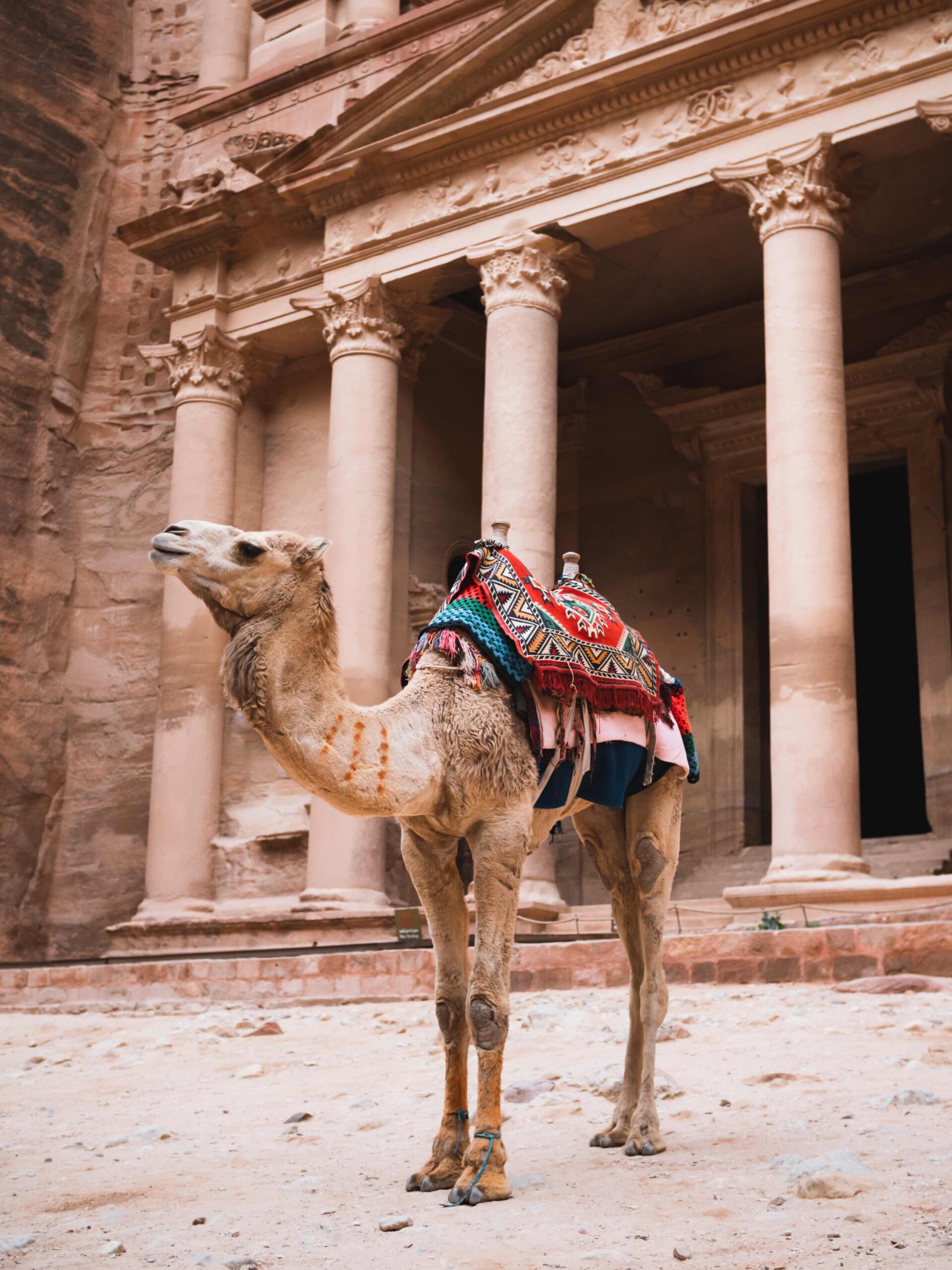
A stable destination in an uncertain regional environment
It's important to note that although Jordan shares its borders with Israel, Syria, Iraq, and Saudi Arabia, the country has enjoyed remarkable political stability for many years. The Hashemite Kingdom, led by King Abdullah II, is recognized for its diplomatic neutrality and its role as a mediator in the region.
However, recent geopolitical events (notably tensions among major powers in the Middle East) have raised some concerns. Even though Jordan itself remains stable, these tensions have had an indirect impact, particularly on:
- airspace (occasional disruptions, detours, or flight cancellations)
- the perception of risk among travelers
In practice, daily life in Jordan continues normally, and tourist sites remain accessible.
Safety in Jordan: What you need to know today
Safety remains a national priority in Jordan. The country continues to implement:
- regular checks on the main roads
- a discreet but effective security presence
- close collaboration with tourism stakeholders
Tourist areas like Petra, Wadi Rum, and the Dead Sea remain safe and welcome visitors from all over the world.
It's worth noting, however:
Recommendations from several European governments remain at a “orange code” (non-essential travel advised against but not banned), mainly due to the regional context and not the internal situation of the country.
For travelers (including solo women), Jordan remains an overall safe and warm destination, provided that usual precautions are taken and that one stays informed about the situation.
Recommendations for travelers booking their own flights
- Travel Insurance: Get insurance that covers cancellations due to force majeure.
- Flexible Reservations: Choose refundable or changeable tickets.
- Real-Time Information: Stay updated with airline and local authority announcements.
- Contact Your Airline: If in doubt, reach out to the airline directly to know your options.
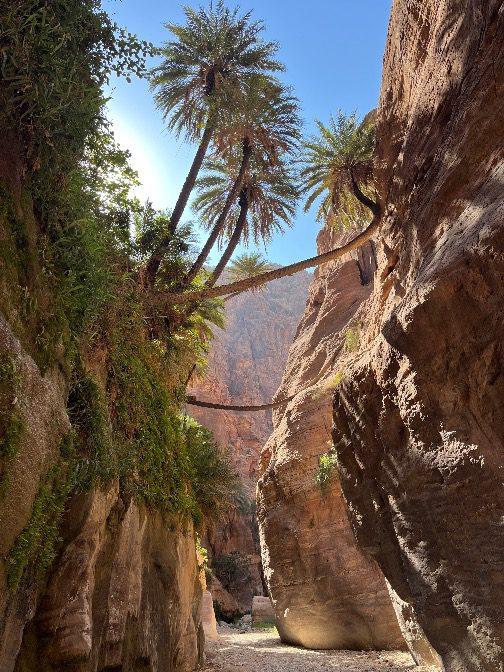
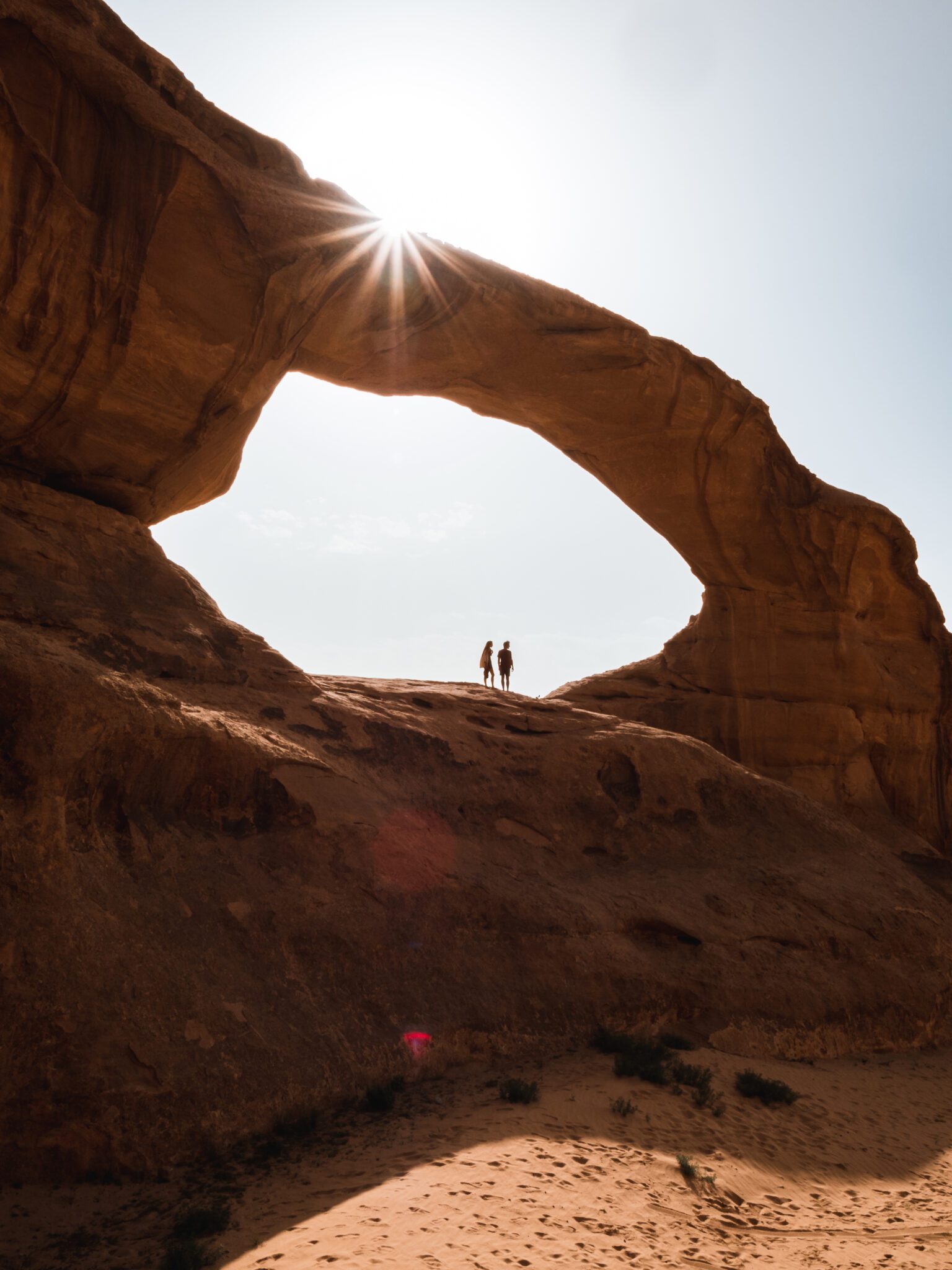
When to travel to Jordan?
The best time to visit Jordan is from March to May and from October to November. These seasons offer ideal weather for exploring the country's treasures: mild temperatures and fewer tourists than during peak season.
For a 7-day road trip in Jordan, autumn is particularly recommended. You’ll be able to fully enjoy the stunning landscapes of the King's Highway, admire the sunsets in the Wadi Rum desert, and float in the salty waters of the Dead Sea in perfect conditions.
Why leave (or wait) today?
✔️ The Positives
- Exceptionally quiet locations, away from mass tourism
- A more authentic and intimate experience
- Local partners who are available and particularly attentive
- A direct positive impact on the local economy, which is heavily reliant on tourism
⚠️ Considerations
- A still unstable and evolving regional situation
- Sometimes uncertain climate for some travelers
- Possible changes to flight schedules
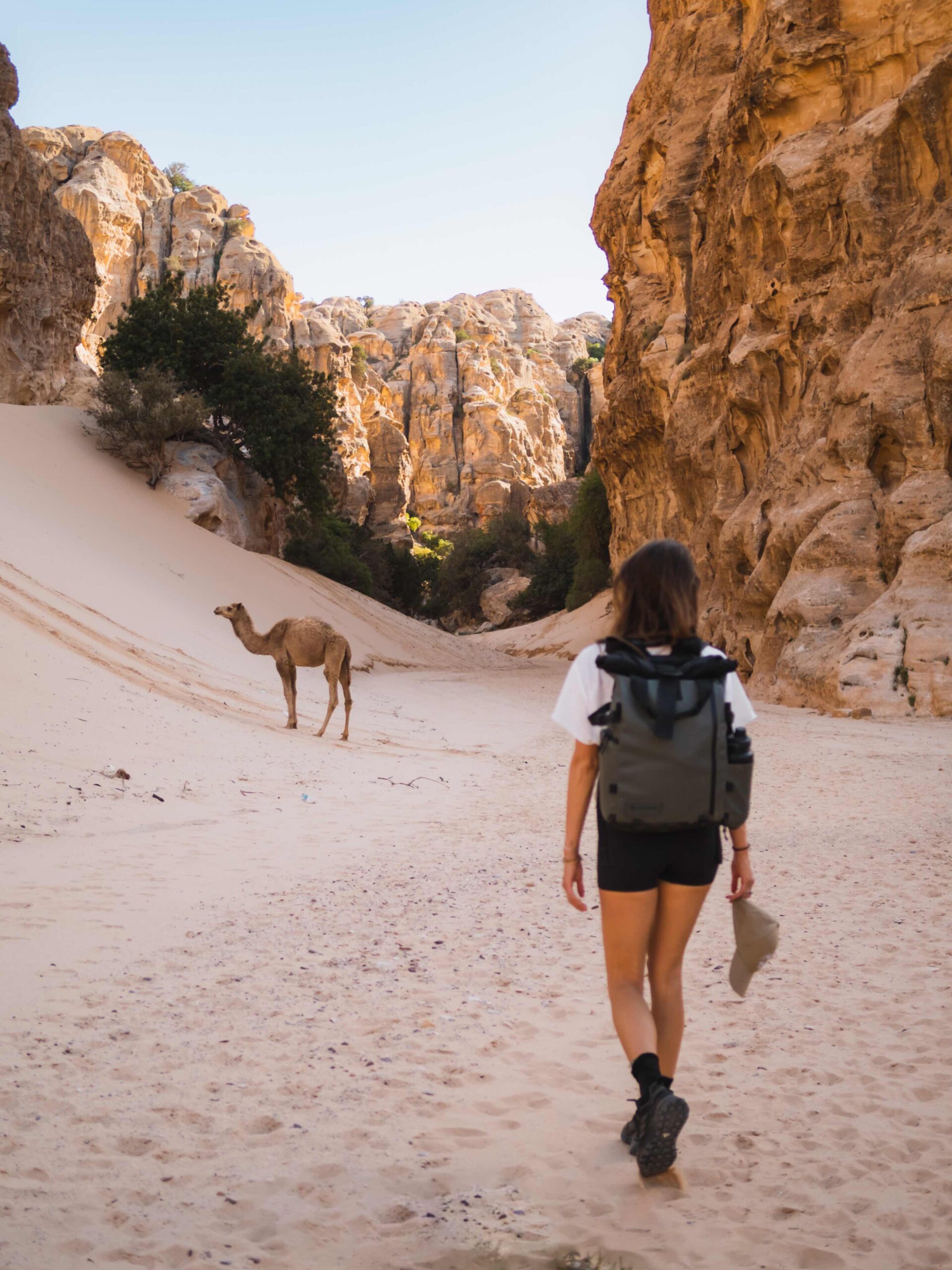
Conclusion: an incredible destination, with clarity.
Yes, Jordan is in a sensitive region.
But it remains a stable, welcoming, and deeply charming country today.
Traveling to Jordan in 2026 is therefore still possible, and even exceptional in many ways, as long as you go well-informed and comfortable with the current context.
Whether you choose to go soon or wait a little longer, one thing is for sure:
Jordan remains a unique destination, ready to welcome you with its spectacular landscapes and the hospitality of its people.
*Blog updated on 05/05/2026
Ready to go?
Check out our 7-day all-inclusive itinerary, and let yourself be guided through one of the jewels of the Middle East.